

Whether you’re a homeowner, prospective buyer, or builder, understanding your septic system is key to avoiding costly repairs, improving efficiency, and maintaining a healthy property.
Septic systems aren’t one-size-fits-all, there are multiple types, each designed for different soil conditions, lot sizes, and environmental needs. In this guide, we’ll break down the most common and advanced septic systems, their benefits, and how to maintain them.
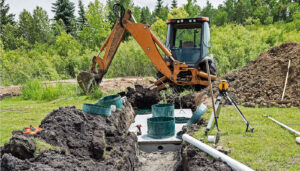
1. Conventional Septic System (Most Common)
How It Works:
- A large watertight underground tank collects wastewater.
- Solids settle at the bottom, while oils/grease float to the top.
- The liquid waste (effluent) moves through pipes to a drain field, where it is naturally filtered.
Pros:
- Cost-effective and simple design.
- Low maintenance compared to advanced systems.
- Well-suited for single-family homes with enough yard space.
Cons:
- Requires sufficient soil depth for drainage.
-
Not ideal for areas with high water tables or poor soil conditions.

2. Chamber Septic System
How It Works:
- Instead of a traditional drain field, this system uses plastic chambers buried underground.
- The wastewater flows into these chambers, where it is gradually filtered into the soil.
Pros:
- More efficient drainage than conventional systems.
- Works well in areas with high groundwater or poor soil.
- Can handle seasonal use, great for vacation homes.
Cons:
- Limited availability in some areas.
-
Requires more frequent maintenance.