

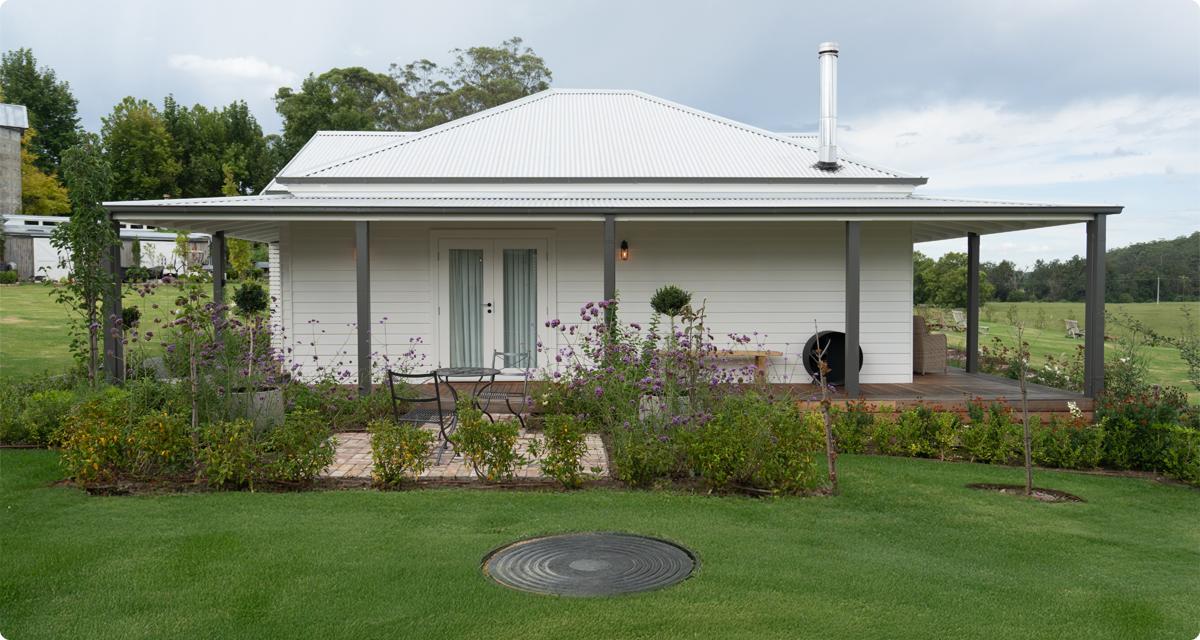
Summer is one of the busiest seasons for many households across Vancouver Island. Family vacations, backyard barbecues, visiting relatives, and children home from school all mean one thing—your septic system is working much harder than usual.
Many homeowners don’t think about their septic system until something goes wrong. Unfortunately, by the time unpleasant odors, slow drains, or sewage backups appear, a small issue may have already become an expensive repair.
Knowing the signs your septic system is struggling can help you catch problems early, protect your property, and extend the life of your entire wastewater system. In this guide, we’ll explain why summer places extra stress on septic systems, what warning signs to watch for, and how regular maintenance can prevent unexpected breakdowns.
Why Summer Is Hard on Septic Systems
Unlike municipal sewer systems, a septic system treats all wastewater on your property. During the summer months, daily water usage often increases significantly.
Common reasons include:
- House guests staying for several days
- Extra showers after outdoor activities
- More laundry from towels and bedding
- Increased dishwasher use
- Outdoor entertaining
- Children home during summer break
Each additional gallon of water entering the system reduces the amount of time solids can properly settle inside the septic tank. If wastewater enters faster than the system can process it, the drain field can become overloaded.
This extra demand makes regular septic system maintenance especially important during the summer season.
Understanding How Your Septic System Works
Before identifying potential problems, it helps to understand the basics.
A typical residential septic system includes:
| Component | Purpose |
| Septic Tank | Separates solids, oils, and wastewater |
| Baffles | Control wastewater flow |
| Drain Field | Filters treated wastewater into the soil |
| Soil | Naturally removes remaining contaminants |
When every component functions properly, wastewater is treated safely and efficiently. However, excessive water usage, lack of maintenance, or aging equipment can disrupt this process.
Warning Signs Your Septic System Is Struggling
Slow Drains Throughout the House
One slow sink isn’t always cause for concern.
However, if multiple drains begin slowing at the same time, your septic system may be reaching capacity or experiencing restricted flow.
Watch for:
- Slow kitchen sink
- Slow bathtub drainage
- Toilets flushing sluggishly
- Water backing up in floor drains
If these issues occur together, scheduling a septic inspection is a smart next step.
Sewage Odors Around Your Property
Your septic system should operate with very little noticeable odor.
Persistent smells around:
- the septic tank,
- the drain field,
- basement drains, or
- outdoor plumbing
can indicate that wastewater isn’t being processed correctly.
Odors may suggest:
- Full septic tank
- Drain field saturation
- Ventilation issues
- Damaged pipes
- System failure
Ignoring these smells can allow the problem to worsen over time.
Standing Water Near the Drain Field
One of the clearest signs your septic system is struggling is unexplained wet spots in your yard.
Even during dry summer weather, pooling water may indicate:
- Drain field overload
- Pipe leaks
- Soil saturation
- Improper drainage
A healthy drain field should not remain wet when there has been little rainfall.
Exceptionally Green Grass
Healthy grass is great.
Grass that’s dramatically greener directly above your septic system may not be.
This often means wastewater is reaching the surface instead of filtering properly underground.
Although lush grass may seem harmless, it can signal hidden septic system problems that deserve professional evaluation.
Gurgling Plumbing Fixtures
Air trapped in plumbing lines often creates bubbling or gurgling noises.
You may notice sounds coming from:
- Toilets
- Bathroom sinks
- Shower drains
- Washing machine drain
These noises can indicate restricted wastewater flow inside the septic system.
Sewage Backups
A sewage backup is one of the most serious warning signs.
If wastewater begins backing into:
- tubs,
- showers,
- floor drains, or
- toilets,
contact a professional immediately.
This issue may indicate a full septic tank, blocked pipe, or drain field failure.
Common Causes of Summer Septic Problems
Several factors often combine during peak summer use.
Increased Water Consumption
The biggest contributor is simply using more water than usual.
Large families and visiting guests can double daily water usage without realizing it.
Delayed Septic Tank Pumping
Many homeowners postpone septic tank pumping until problems appear.
Unfortunately, waiting too long allows solids to accumulate, reducing the tank’s ability to separate wastewater effectively.
Excessive Laundry
Running multiple loads of laundry back-to-back sends a large volume of water into the system within a short period.
Instead, spread laundry throughout the week whenever possible.
Heavy Rainfall
Although summer often brings dry weather, heavy storms can saturate surrounding soil.
When the drain field becomes saturated, wastewater has nowhere to go.
Improper Items Being Flushed
Even “flushable” products can create septic problems.
Avoid flushing:
- Wipes
- Paper towels
- Feminine hygiene products
- Cotton swabs
- Dental floss
- Grease or cooking oil
These materials can clog pipes and reduce system efficiency.
Frequently Overlooked Summer Habits That Stress Septic Systems
Many homeowners unknowingly place additional strain on their systems.
Examples include:
- Long daily showers
- Filling large bathtubs
- Running sprinklers directly over the drain field
- Parking vehicles over septic components
- Planting trees near the drain field
- Hosting several weekend gatherings in a row
Small habits can have a surprisingly large cumulative effect.
How to Protect Your Septic System During Busy Summer Months
Preventive care is almost always easier—and less expensive—than emergency repairs.
Spread Out Water Usage
Instead of using large amounts of water all at once:
- Run laundry throughout the week
- Space out showers when guests visit
- Avoid multiple large water-using appliances simultaneously
Schedule Routine Septic Maintenance
Routine inspections help identify small issues before they become costly repairs.
Professional maintenance may include:
- Tank inspection
- Sludge level measurement
- Baffle inspection
- Filter cleaning (where applicable)
- System performance evaluation
Pump the Tank When Needed
Every household is different.
Factors affecting pumping frequency include:
- Household size
- Tank capacity
- Water usage
- Garbage disposal use
- Overall maintenance
A qualified septic professional can recommend an appropriate schedule for your property.
Protect Your Drain Field
Your drain field needs healthy, uncompacted soil.
Avoid:
- Parking vehicles
- Building sheds
- Installing patios
- Heavy landscaping
- Storing construction materials
Keeping the drain field clear allows wastewater to filter properly.
Common Mistakes Homeowners Make
Many septic issues begin with avoidable mistakes.
Waiting Until Something Breaks
Preventive maintenance is almost always less disruptive than emergency repairs.
Assuming Slow Drains Are Just Plumbing Issues
Sometimes the plumbing isn’t the problem at all—the septic system is.
Using Too Much Water at Once
Large volumes of wastewater entering the tank quickly reduce treatment efficiency.
Ignoring Unusual Odors
Odors rarely disappear on their own.
Early investigation can prevent much larger repairs.
Cost Considerations
Septic system costs vary depending on the type and extent of the issue.
Generally speaking:
| Service | Typical Complexity |
| Inspection | Low |
| Routine pumping | Low to Moderate |
| Minor repairs | Moderate |
| Drain field repairs | Moderate to High |
| Full system replacement | High |
Routine maintenance is typically much less expensive than repairing significant damage caused by neglect.
Why Regular Maintenance Matters
Regular maintenance offers several long-term benefits:
- Extends system lifespan
- Helps prevent emergency repairs
- Improves wastewater treatment performance
- Protects your landscaping
- Reduces the likelihood of unpleasant odors
- Identifies developing problems before they worsen
- Supports reliable system performance during peak household usage
A well-maintained septic system is more likely to handle the added demands of summer visitors and increased daily water use.
Why Choose ViReel Septic Services
When your septic system shows signs of trouble, working with an experienced local team can make all the difference.
ViReel Septic Services is committed to helping homeowners across Vancouver Island protect their septic systems through dependable inspections, maintenance, repairs, and practical advice. The team understands the unique conditions that local septic systems face and focuses on honest recommendations, quality workmanship, responsive customer service, and safe, professional practices.
Whether you need routine maintenance or assistance diagnosing a potential problem, ViReel Septic Services works to help you make informed decisions about your property’s wastewater system.
Frequently Asked Questions
How often should a septic tank be inspected?
Most homeowners benefit from regular inspections based on household size, system age, and usage. A professional can recommend an inspection schedule appropriate for your property.
Why does my septic system smell worse during summer?
Higher temperatures, increased water use, and additional household activity can place extra stress on the system, making existing issues more noticeable.
Can house guests overload a septic system?
Yes. Extra showers, laundry, cooking, and toilet use increase wastewater entering the system and may overwhelm an already stressed septic tank.
Is slow drainage always caused by a full septic tank?
Not necessarily. Slow drains can result from plumbing blockages or septic system issues. If multiple fixtures are affected, a professional inspection is recommended.
Should I use septic additives?
Some products may not provide the benefits they claim. Before adding any treatment products, consult a qualified septic professional to determine whether they are appropriate for your system.
Can I drive over my drain field?
No. Vehicles can compact the soil or damage underground components, reducing the drain field’s ability to treat wastewater effectively.
Conclusion
Summer is a season for making memories with family and friends—not dealing with septic emergencies. By recognizing the signs your septic system is struggling, reducing unnecessary strain on the system, and scheduling routine maintenance, homeowners can help prevent costly repairs and keep their wastewater systems operating efficiently.
If you’ve noticed slow drains, unpleasant odors, standing water, or other warning signs, don’t wait for the problem to get worse. Contact ViReel Septic Services to schedule a professional inspection, discuss maintenance options, or receive expert guidance on keeping your septic system performing its best throughout the busy summer season.