

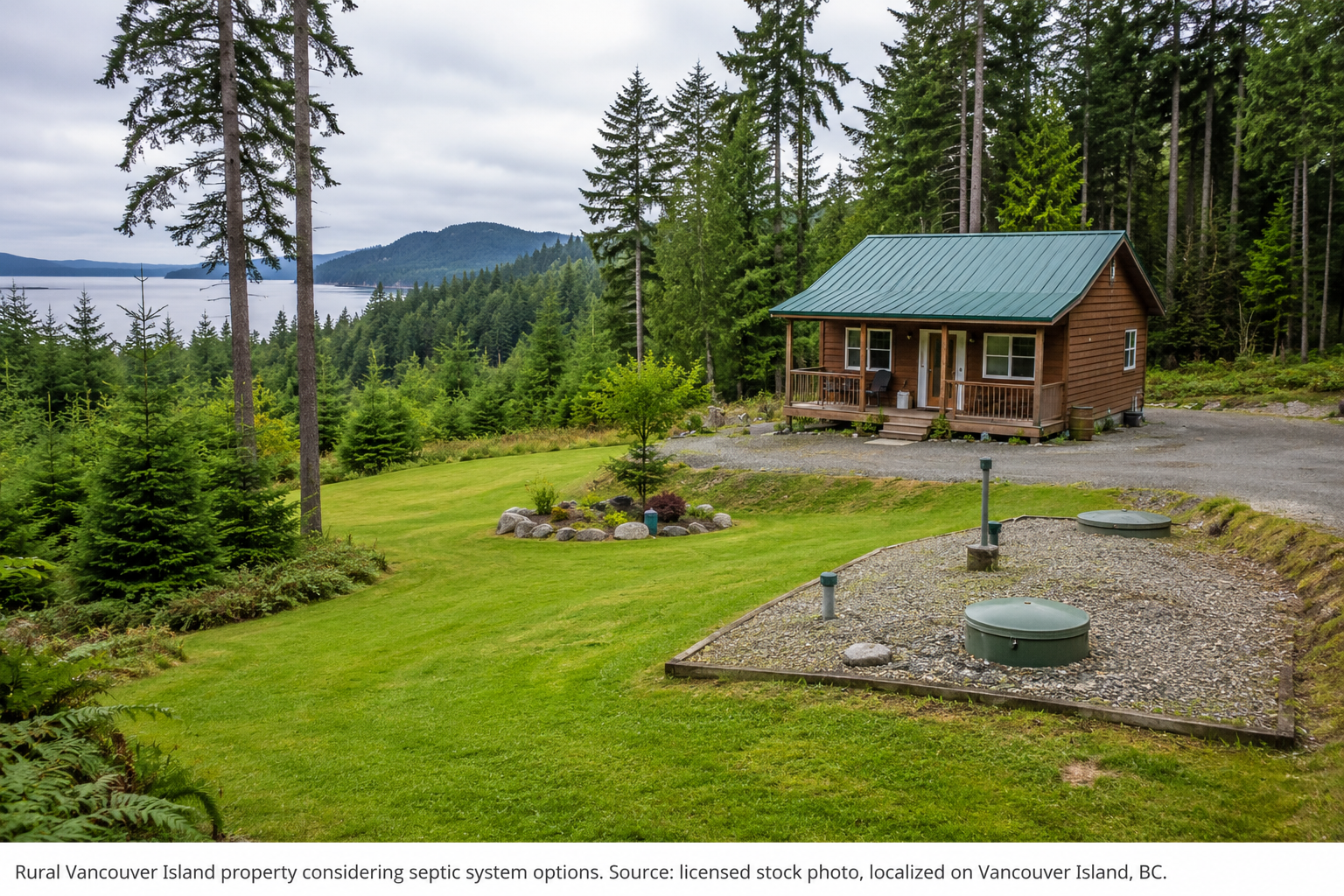
Summer is one of the busiest seasons for outdoor home improvement projects across Vancouver Island. Whether you’re dreaming of a new swimming pool, expanding your patio, building a retaining wall, or redesigning your entire backyard, it’s easy to focus on the finished result.
However, many homeowners overlook one of the most important first steps: scheduling an excavation consultation.
Proper excavation and site preparation create the foundation for nearly every successful outdoor project. Skipping this stage can lead to drainage problems, unexpected costs, damaged underground utilities, project delays, and expensive repairs after construction is complete.
In this guide, we’ll explain why an excavation consultation should come before any major backyard renovation, what professionals evaluate during a site visit, and how careful planning helps protect your investment.
Why Every Backyard Project Starts Below Ground
When homeowners picture a backyard renovation, they usually think about patios, landscaping, fencing, or a beautiful new pool.
Experienced contractors know the real work starts underneath the surface.
Every property has unique conditions, including:
- Soil composition
- Natural drainage patterns
- Elevation changes
- Existing utilities
- Septic system components
- Underground rock
- Property access
Understanding these conditions before excavation begins helps prevent costly surprises later in the project.
What Is an Excavation Consultation?
An excavation consultation is an on-site assessment that helps determine how your property should be prepared before construction begins.
The goal isn’t simply deciding where to dig—it’s evaluating the entire site so excavation supports the long-term success of your project.
A consultation may include reviewing:
- Existing grades and slopes
- Drainage concerns
- Access for equipment
- Soil conditions
- Existing structures
- Trees and root systems
- Underground utilities
- Septic system locations
- Project goals and future landscaping plans
Gathering this information early allows contractors to identify potential challenges before equipment arrives.
Why Site Preparation Matters
Even beautiful outdoor renovations can develop problems if the ground beneath them wasn’t properly prepared.
Proper Grading Protects Your Investment
Site grading helps direct surface water away from structures and landscaped areas.
Proper grading can reduce the risk of:
- Water pooling
- Soil erosion
- Foundation moisture
- Landscape damage
- Standing water after storms
Good drainage is just as important as attractive landscaping.
Stable Soil Supports Long-Term Performance
Every outdoor feature depends on a stable base.
Whether you’re installing:
- A swimming pool
- Retaining wall
- Patio
- Walkway
- Outdoor kitchen
- Garden structures
Proper excavation creates the foundation these projects rely upon.
Why Pool Installations Require Careful Excavation
Swimming pools are among the largest residential excavation projects homeowners undertake.
Beyond digging a large hole, excavation professionals must consider:
- Ground stability
- Drainage
- Equipment access
- Spoil removal
- Utility locations
- Existing landscaping
- Property setbacks
Careful planning helps reduce the likelihood of unexpected issues during construction.
Common Challenges Found During Excavation Consultations
Every property is different, and consultations often uncover conditions that aren’t visible from the surface.
Underground Utilities
Many residential properties contain:
- Water lines
- Sewer lines
- Septic piping
- Electrical service
- Gas lines
- Internet or communication cables
Accidentally damaging underground infrastructure can delay construction and increase repair costs.
Poor Drainage
Drainage problems often become apparent only after heavy rainfall.
Signs include:
- Standing water
- Soft ground
- Soil erosion
- Water flowing toward the home
An excavation consultation helps identify these issues before construction begins.
Sloped Lots
Many Vancouver Island properties feature varying elevations.
Uneven terrain may require:
- Additional grading
- Retaining walls
- Drainage improvements
- Specialized excavation techniques
Planning ahead helps create a more stable finished landscape.
Existing Septic Systems
If your home uses a septic system, excavation requires additional planning.
Professionals should identify:
- Septic tank location
- Drain field boundaries
- Distribution piping
- Access lids
Protecting these components is essential during construction.
Warning Signs Your Property Needs Professional Evaluation
Some homeowners assume excavation is straightforward.
However, the following conditions usually warrant professional assessment:
- Uneven yard
- Persistent drainage issues
- Large tree roots
- Soft or unstable soil
- Steep slopes
- Previous fill material
- Existing retaining walls
- Nearby septic systems
These conditions don’t necessarily prevent construction—but they should influence how excavation is planned.
Common Mistakes Homeowners Make
Skipping an excavation consultation often leads to avoidable setbacks.
Starting Without Understanding the Site
Every backyard has hidden conditions that affect construction.
Assuming all properties are similar can result in unexpected excavation challenges.
Ignoring Drainage
Poor drainage is one of the most common causes of landscape problems.
Even the most attractive patio or pool area may develop issues if water isn’t directed properly.
Underestimating Equipment Access
Excavators, dump trucks, and grading equipment require adequate access.
Professionals evaluate:
- Gate widths
- Driveways
- Existing landscaping
- Overhead obstacles
- Property boundaries
Planning access helps minimize disruption to your property.
Overlooking Future Projects
Homeowners sometimes complete one project only to excavate the same area again later.
Discussing long-term plans during the consultation allows excavation work to support future improvements whenever possible.
Benefits of an Excavation Consultation
A professional consultation provides value well before construction begins.
Benefits include:
- Better project planning
- Improved drainage design
- Reduced construction delays
- Fewer unexpected site conditions
- Protection of underground utilities
- Preservation of septic components
- More accurate project scheduling
- Improved long-term landscape performance
Investing time in planning often results in smoother construction and fewer surprises.
Frequently Overlooked Details
Homeowners often focus on visible features while overlooking what’s happening underground.
Some commonly missed considerations include:
- Surface water runoff
- Soil compaction
- Drainage after landscaping
- Existing irrigation systems
- Future tree growth
- Access for future maintenance
- Utility easements
- Equipment turning radius
Addressing these details early contributes to a more durable finished project.
Maintenance Tips After Excavation
Proper excavation is only the beginning.
To protect your newly completed outdoor space:
Monitor Drainage
Observe how water flows after significant rainfall.
Address small drainage concerns before they become larger problems.
Maintain Proper Grading
Avoid adding large amounts of soil that change established drainage patterns.
Protect Landscaped Areas
Limit heavy vehicle traffic over newly graded surfaces until the soil has stabilized.
Inspect Regularly
Walk your property periodically to look for:
- Soil settling
- Erosion
- Standing water
- Exposed roots
- Surface depressions
Early maintenance helps preserve your investment.
Cost Considerations
Excavation costs vary depending on many factors.
These may include:
| Project Factor | Potential Impact |
| Property size | Larger sites typically require more work |
| Soil conditions | Rocky or unstable soil may increase complexity |
| Site access | Limited access can affect equipment selection |
| Grading requirements | Significant elevation changes require additional work |
| Drainage improvements | Additional drainage features may be recommended |
| Utility locations | Careful excavation around utilities requires added planning |
While every project is unique, identifying site conditions early often helps homeowners avoid unexpected expenses later in construction.
Professional Recommendations
Before beginning any backyard renovation, experienced excavation professionals generally recommend:
✔ Schedule an on-site consultation.
✔ Discuss your complete project—not just the excavation.
✔ Identify underground utilities before digging.
✔ Evaluate drainage across the property.
✔ Consider future landscaping plans.
✔ Protect existing septic systems and underground infrastructure.
✔ Choose experienced professionals familiar with local soil and site conditions.
Proper preparation creates a safer, more efficient construction process from start to finish.
Why Choose ViReel Septic Services
Outdoor construction begins with proper site preparation, and having an experienced team evaluate your property can make a significant difference.
ViReel Septic Services provides residential excavation, grading, site preparation, drainage solutions, and septic-related excavation services throughout Vancouver Island. With local experience and a practical approach, the team works closely with homeowners to identify site conditions, offer honest recommendations, and prepare properties for successful outdoor projects.
Whether you’re planning a new pool, backyard renovation, landscaping project, or septic-related excavation, ViReel Septic Services is committed to quality workmanship, responsive customer service, safe operating practices, and solutions tailored to your property’s needs.
Frequently Asked Questions
Why do I need an excavation consultation before installing a pool?
An excavation consultation helps identify soil conditions, drainage concerns, underground utilities, access limitations, and other site factors that can affect the success of your pool installation.
Can excavation affect my septic system?
Yes. Excavation near septic tanks, drain fields, or underground piping should be carefully planned to avoid accidental damage.
Does every backyard renovation require grading?
Not every project requires significant grading, but many benefit from evaluating drainage and surface elevations before construction begins.
What happens during an excavation consultation?
A contractor typically assesses site conditions, drainage, slopes, utilities, access, soil characteristics, and your project goals before recommending the appropriate excavation approach.
Can poor drainage damage a new patio or landscaping?
Yes. Improper drainage can contribute to erosion, standing water, soil movement, and long-term damage to outdoor improvements.
How early should I schedule an excavation consultation?
It’s best to schedule a consultation during the planning phase—before construction materials are ordered or excavation equipment is scheduled.
Conclusion
A successful backyard renovation starts long before the first shovel enters the ground. Whether you’re installing a swimming pool, building a patio, regrading your property, or transforming your outdoor living space, an excavation consultation helps uncover potential challenges before they become expensive problems.
By evaluating soil conditions, drainage, utilities, grading, and site access early in the process, homeowners can make informed decisions that contribute to smoother construction and longer-lasting results.
If you’re planning a backyard project anywhere on Vancouver Island, contact ViReel Septic Services. Their experienced team can assess your property, recommend the right excavation and grading approach, and help lay the groundwork for a successful outdoor renovation.