

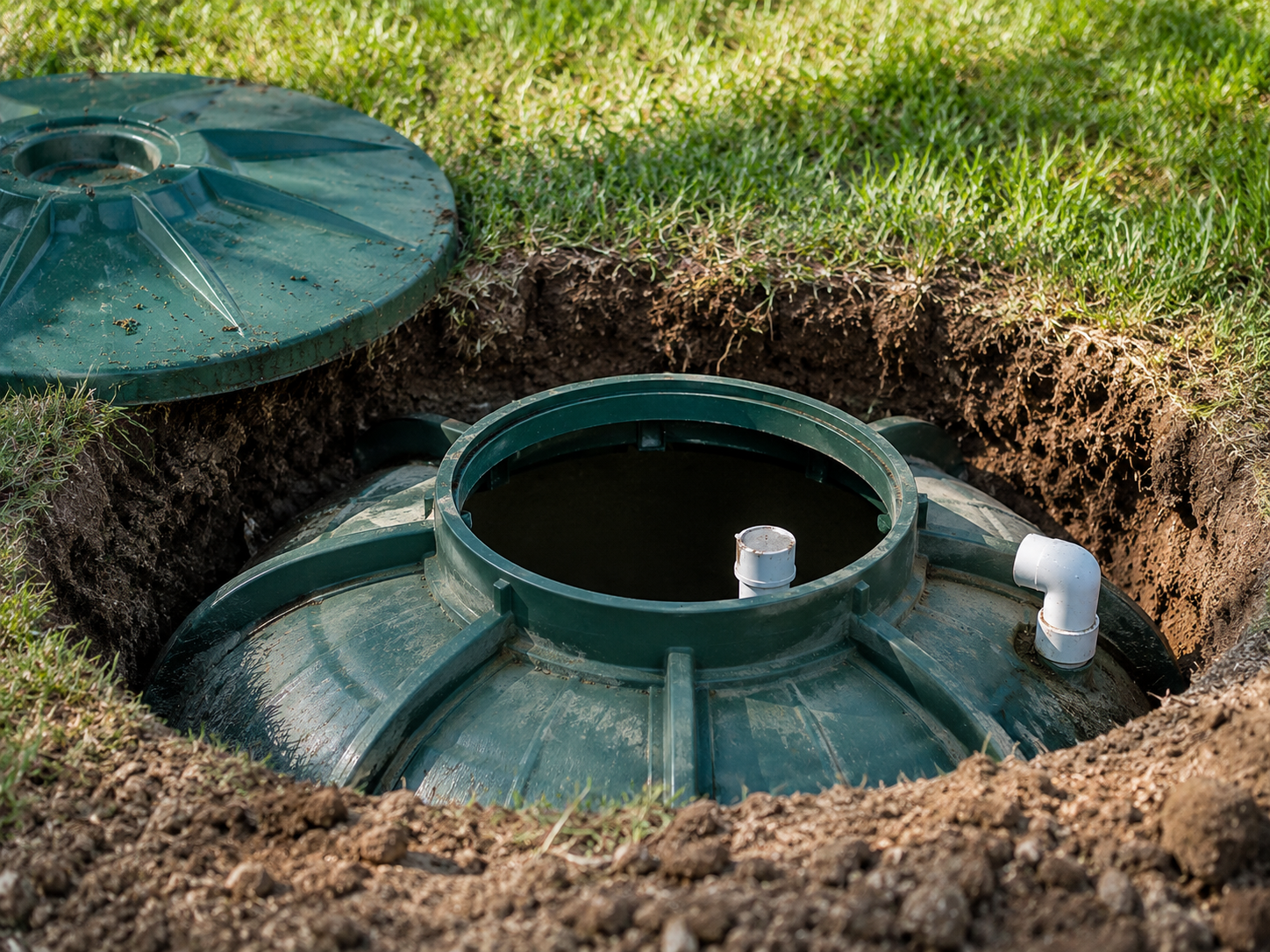
Many homeowners assume that drought only affects gardens, lawns, and water restrictions. But did you know that prolonged dry weather can also impact your septic system?
During Vancouver Island’s dry summer months, changing soil conditions can affect how your septic drain field performs. While a properly maintained septic system is designed to operate through seasonal weather changes, extended drought can introduce unique challenges that many homeowners don’t recognize until problems begin to appear.
Understanding how drought and septic systems are connected can help you avoid costly repairs, extend the life of your system, and ensure your home’s wastewater continues to be treated safely and efficiently. In this guide, we’ll explain how dry ground affects septic systems, what warning signs to watch for, and the steps homeowners can take to protect their investment.
How a Septic System Works
Before discussing drought conditions, it’s helpful to understand the basics of a residential septic system.
A conventional septic system typically consists of four primary components:
| Component | Function |
| Septic Tank | Separates solids, grease, and wastewater |
| Baffles | Control wastewater flow through the tank |
| Drain Field | Distributes treated wastewater into the soil |
| Soil | Naturally filters and treats wastewater |
The drain field depends on healthy soil conditions to absorb and filter wastewater. Any significant change in the surrounding soil—including prolonged drought—can influence how efficiently this process works.
Why Drought Can Affect Septic Systems
Many homeowners assume only excessive rainfall causes septic problems. While saturated soil certainly creates challenges, extremely dry conditions can also impact system performance.
Soil Shrinkage
During extended periods without rain, some soil types lose moisture and begin to shrink.
This natural movement may:
- Create small gaps around underground pipes
- Affect soil structure
- Change how wastewater disperses through the drain field
Although modern septic systems are designed to tolerate normal seasonal changes, severe or prolonged drought can increase stress on aging systems.
Reduced Soil Microbial Activity
The soil surrounding a drain field contains naturally occurring microorganisms that help break down contaminants before wastewater reaches groundwater.
Extremely dry soil may reduce microbial activity, slowing the natural treatment process until moisture levels improve.
Hard, Compacted Ground
Very dry soil can become hard and compacted near the surface.
Compacted soil may:
- Slow water infiltration
- Affect drainage patterns
- Increase runoff during sudden heavy rain
This combination of drought followed by intense rainfall can temporarily overwhelm portions of a drain field.
Warning Signs Your Septic System May Be Affected
Not every issue during a drought is caused by dry weather, but homeowners should pay attention to changes in system performance.
Slow Drains
If sinks, tubs, and showers begin draining more slowly than usual, it’s worth monitoring the situation.
When several fixtures experience slow drainage simultaneously, a septic inspection can help determine whether the problem originates within the septic system or household plumbing.
Unpleasant Odours
Persistent sewage smells around:
- the septic tank,
- drain field,
- basement drains, or
- outdoor inspection ports
may indicate that wastewater isn’t moving through the system as intended.
Odours should never be ignored, regardless of the season.
Standing Water After Rain
One surprising effect of drought occurs after rainfall finally returns.
If your yard develops puddles directly over the drain field after moderate rain, the soil may not be absorbing water efficiently.
This could indicate an existing septic issue that was hidden during dry weather.
Sewage Backups
Wastewater backing into sinks, tubs, or toilets is always considered a serious warning sign.
A professional inspection should be scheduled as soon as possible to identify the underlying cause.
Lush Green Patches
Ironically, isolated areas of bright green grass during drought conditions may indicate wastewater is reaching the surface sooner than intended.
Healthy vegetation is normal, but unusually vigorous growth over portions of the drain field deserves attention.
Common Causes of Septic Problems During Dry Weather
Several factors often contribute to summer septic issues.
Increased Household Water Usage
Summer often brings:
- Family gatherings
- Visiting relatives
- More laundry
- Longer showers
- Outdoor activities
These increase the amount of wastewater entering the system.
Delayed Maintenance
Many homeowners postpone septic inspections because the system appears to be functioning normally.
Unfortunately, small problems often develop gradually and become more noticeable when seasonal conditions change.
Aging Drain Fields
Older drain fields may be less adaptable to changing soil conditions.
Routine inspections can identify gradual wear before major repairs become necessary.
Frequently Overlooked Summer Habits
Some common homeowner habits unintentionally add stress to septic systems during drought.
These include:
- Running multiple loads of laundry consecutively
- Hosting several guests for extended stays
- Ignoring slow drains
- Parking heavy vehicles over the drain field
- Installing sheds or patios over underground septic components
- Planting large trees near the drain field
Even if none of these activities immediately cause a problem, repeated stress can shorten the life of the system.
How to Protect Your Septic System During Drought
Fortunately, several simple maintenance practices can help your septic system perform more efficiently during extended dry weather.
Spread Out Water Usage
Avoid sending large amounts of water into the septic system all at once.
Instead:
- Run laundry throughout the week
- Space out showers when possible
- Delay dishwasher cycles if multiple appliances are already using water
This gives the septic tank adequate time to separate solids and liquids properly.
Schedule Regular Septic Inspections
Professional inspections allow potential issues to be identified before they become expensive repairs.
A typical inspection may include:
- Tank condition
- Sludge accumulation
- Baffle inspection
- Drain field evaluation
- Overall system performance
Pump the Septic Tank When Needed
Routine septic tank pumping removes accumulated solids before they reduce tank capacity.
How often pumping is required depends on factors such as:
- Household size
- Water usage
- Tank capacity
- Wastewater habits
A qualified septic professional can recommend an appropriate maintenance schedule.
Protect the Drain Field
The drain field is one of the most important—and most vulnerable—parts of the entire system.
Avoid:
- Heavy vehicles
- Construction equipment
- Permanent structures
- Deep-rooted trees
- Excessive soil disturbance
Maintaining healthy soil around the drain field helps preserve long-term performance.
Common Mistakes Homeowners Make During Drought
Many septic issues begin with simple misconceptions.
Assuming Dry Weather Eliminates Septic Problems
Dry weather changes soil conditions but doesn’t remove the need for maintenance.
Ignoring Small Warning Signs
Slow drains and minor odours often appear long before major failures occur.
Early action usually results in simpler, less disruptive repairs.
Overusing Water During Gatherings
Large family events often place significant temporary demand on residential septic systems.
Being mindful of water usage can help reduce unnecessary stress.
Cost Considerations
The cost of septic work varies depending on the condition of the system and the type of service required.
Generally speaking:
| Service | Typical Complexity |
| Routine inspection | Low |
| Septic tank pumping | Low to Moderate |
| Minor repairs | Moderate |
| Drain field repairs | Moderate to High |
| System replacement | High |
Preventive maintenance is typically far less expensive than addressing major system failures.
Benefits of Preventive Septic Maintenance
Routine maintenance offers many advantages, including:
- Improved system reliability
- Longer septic system lifespan
- Better wastewater treatment
- Reduced risk of emergency repairs
- Early identification of developing issues
- Protection of landscaping and property value
- Greater confidence during seasonal weather changes
Professional Recommendations
If drought conditions persist across Vancouver Island, homeowners should:
✔ Monitor drain performance.
✔ Watch for unusual odours.
✔ Inspect the yard after rainfall.
✔ Avoid overloading the system with excessive water use.
✔ Schedule routine inspections if maintenance has been delayed.
These proactive steps can help identify issues before they become disruptive or costly.
Why Choose ViReel Septic Services
Your septic system is one of the most important systems on your property, and it deserves experienced care throughout every season.
ViReel Septic Services proudly assists homeowners across Vancouver Island with septic inspections, maintenance, repairs, and practical advice tailored to local conditions. The team is committed to providing honest recommendations, quality workmanship, responsive customer service, and safe, dependable solutions that help homeowners protect their investment.
Whether you’re preparing for another dry summer or addressing signs of a struggling system, ViReel Septic Services is ready to help you make informed decisions about your septic system.
Frequently Asked Questions
Can drought damage a septic system?
Drought itself doesn’t necessarily damage a properly functioning septic system, but prolonged dry conditions can change soil characteristics and influence how the drain field performs, particularly in older or poorly maintained systems.
Should I water my drain field during a drought?
Avoid intentionally watering your drain field unless advised by a qualified professional. Excess watering may not improve system performance and could create other drainage concerns.
Does drought mean I need to pump my septic tank sooner?
Not necessarily. Pumping frequency depends on household size, wastewater usage, tank size, and maintenance history rather than weather alone.
What are the first signs of septic problems during dry weather?
Common warning signs include slow drains, sewage odours, standing water after rainfall, lush green patches over the drain field, and sewage backups.
Is it safe to drive over my drain field?
No. Vehicles can compact the soil and damage underground septic components, regardless of weather conditions.
When should I schedule a septic inspection?
If it’s been several years since your last inspection, or you’ve noticed any changes in your system’s performance, scheduling an inspection is a good preventive measure.
Conclusion
Drought season on Vancouver Island doesn’t just affect your lawn—it can also influence the performance of your septic system. By understanding how dry ground impacts drain fields, recognizing early warning signs, and following a consistent maintenance routine, homeowners can reduce the risk of unexpected repairs and keep their systems operating efficiently.
If you have questions about how drought conditions may be affecting your septic system or you’ve noticed signs of reduced performance, contact ViReel Septic Services. Their experienced team can provide professional inspections, maintenance recommendations, and expert guidance to help keep your septic system performing reliably throughout every season.